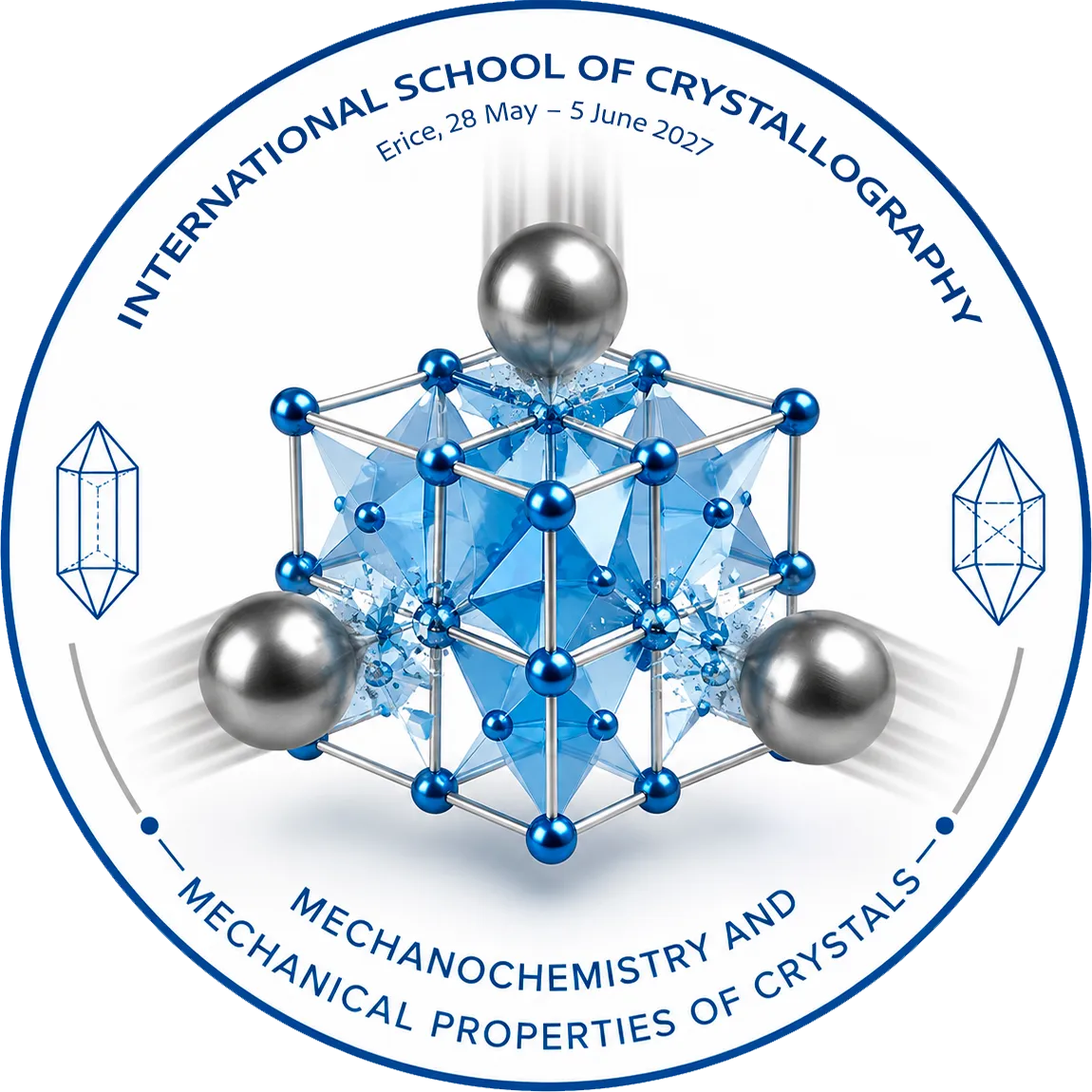
The 2027 edition of the International School of Crystallography
28 May – 5 June 2027
Tomislav Friščić is currently the Leverhulme International Professor in Green and Sustainable Chemistry at the University of Birmingham (UoB), where he is also the founding Director of the Birmingham Centre for Mechanochemistry and Mechanical Processing (BCM2) and Co-Director of the RAM Facility for Sustainable Chemical Manufacturing. He and his team are enthusiasts in mechanochemistry and a wide range of topics in solid-state chemistry and crystal engineering, and he is currently a Co-Editor-in-Chief of RSC Mechanochemistry, the first journal dedicated to mechanochemistry. He obtained his B.Sc in Chemical Crystallography with Prof. B. Kaitner (2001), Ph.D with Len MacGillivray in Solid-state Photochemistry (2006), followed by post-doctoral positions at the University of Cambridge with Prof. W. Jones, and independent positions at McGill University (2011-2022) and UoB.
Lucia Maini is Full Professor of Chemistry at the University of Bologna, specializing in Crystal Engineering and solid‑state chemistry. Her expertise includes crystallography, diffraction methods, and thermal analysis of solids. Her research spans hydrogen bonding in coordination polymers, solid‑state transformations, and the design and characterization of polymorphs and cocrystals of organic molecules, including pharmaceutical compounds developed through industrial collaborations. She has contributed to understanding phase transitions in molecular materials for optoelectronic applications, and her recent work focuses on mechanochemistry as a sustainable approach to synthesizing copper(I) and silver(I) halide coordination polymers with tunable photophysical properties. Prof. Maini is also active in interdisciplinary research on the reconstruction of ancient alchemical recipes, linking chemistry with history and philology. She is strongly committed to innovative methodologies for chemistry teaching.
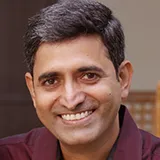
Dr C Malla Reddy is currently a Professor at the Department of Chemistry, Indian Institute of Technology Hyderabad. Before moving to IITH in 2023, he was at the Department of Chemical Sciences, Indian Institute of Science Education and Research (IISER) Kolkata, where he served for about 15 years. Currently, he is serving as the Co-Editor-in-Chief of CrystEngComm, which makes him the first Indian-based Editor-in-Chief of an RSC journal. He also served in the past as co-editor for Acta Crystallographica Section B. His research group at IIT Hyderabad is aimed at establishing structure-mechanical property correlation in molecular crystals for designing various functional solids using crystal engineering principles. His group is credited for pioneering the work on mechanically flexible molecular crystals and autonomous self-healing in piezoelectric crystalline materials, applications of which range from pharmaceutical solids to flexible electronics.
Mechanochemistry and the mechanical behaviour of crystalline materials have recently attracted significant attention. With the rapid development of mechanochemistry, highlighted by IUPAC as one of the top ten technologies that could change the world, the reactivity and transformation of crystalline solids are becoming increasingly important in chemical and materials synthesis. For example, chemical reactions driven by ball milling or other methods of delivering mechanical energy now provide general routes to synthesize cocrystals, organic and organometallic molecules, metal–organic frameworks, inorganic solids, and more.
At the same time, mechanical forces can transform materials in diverse ways through impact, pressure, shear, bending deformation, and related processes. While many physical properties of materials, such as ferroelectricity, flexoelectricity, piezoelectricity, and pyroelectricity, can often be predicted or designed through structure–property correlations, the connection, if any, between such properties and the mechanochemical outcomes, remains unclear. This gap arises largely from the limited molecular-level understanding of the mechanisms governing mechanically induced transformations.
Central to advancing this understanding are X-ray crystallography and X-ray diffraction techniques which, either independently or in combination with spectroscopy and theoretical modelling, provide detailed insight into structural changes and transformations under mechanical energy input. This course will present an overview of the role of X-ray and structural analysis techniques across a wide range of mechanically driven transformations, from in situ and real-time monitoring of reactions using synchrotron methods, alone or coupled with spectroscopy, to studies of high-pressure transformations, phonon transitions, and processes involving flexible and bending crystals.
Overall, the course aims to train and educate the next generation of solid-state chemists interested in crystalline materials from the perspectives of synthesis, dynamic behaviour, and the design of responsive materials using crystal engineering principles.
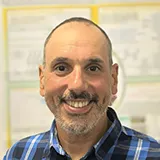
I’m a professor and researcher at Cryssmat-Lab/DETEMA, Facultad de Química, UDELAR in Montevideo, Uruguay. My work focuses on crystallography, solid-state chemistry, and materials chemistry, with a specific emphasis on crystal structural analysis looking for establishing structure-properties correlations. My main research is related to the design, synthesis and characterization of ceramic materials (mostly perovskite oxides) for energy applications such as solid-oxide fuel/electrolysis cells for hydrogen production. As a chemical crystallographer, I’m frequently involved in crystal structure determination and characterization of MOFs, hybrid organic-inorganic materials, polymorphic, and bioactive chiral organic structures. My teaching activities develop in undergraduate and graduate courses on fundamental and applied crystallography, most frequently in Latin America. My teaching efforts have focused on crystallographic symmetry since I joined the MaThCryst Commission of the IUCr. I am also involved in dissemination activities being one of the organizers of the Crystal Growing Competition of Uruguay (CNCC) running its 13th edition. I’m a IUCr Associate and member of the International Centre for Diffraction Data (ICDD) currently part of its board of directors.
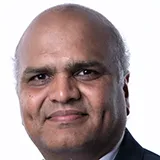
Dr. Upadrasta Ramamurty is a President’s Chair Professor in the School of Mechanical and Aerospace Engineering, Nanyang Technological University (NTU), Singapore. After obtaining B.E. (Andhra), M.E. (IISc), and Ph.D. (Brown) degrees, he worked as a Post-doctoral Fellow at UCSB and MIT. He was a faculty member of NTU and IISc, before returning to NTU. He co-authored 444 papers (~33,000 citations, h-index of 94) in peer reviewed international journals and is an internationally recognized leader in the field of materials engineering with major contributions in a range of scientific areas related to the deformation, fracture, and fatigue in several different classes of advanced materials. He is a fellow of the Indian National Science Academy, Indian National Academy of Engineering, and TWAS: the World Academy of Sciences. He is an editor of Acta Mater.—the premier Materials engineering journal.

Dr Sarah Guerin runs the Actuate Lab in the Department of Chemical Sciences and Bernal Institute in the University of Limerick, Ireland. She is funded by Research Ireland and the European Research Council for her work on in-silico and ex-silico engineering of biomolecular crystals, primarily for sustainable energy harvesting and pharmaceuticals. She graduated in 2015 with a BSc in Applied Physics from the University of Limerick, going on to complete her PhD in piezoelectric crystal modelling. She has been awarded the Research Ireland Early Career Researcher of the Year, the British Association of Crystal Growth Young Scientist Award, and most recently the 2025 Research Ireland Pharmaceutical Investigator of the Year for her work in cocrystal engineering. She works with research groups around the world, using computational chemistry to understand the design rules for functional molecular crystals. She is passionate about science education and outreach and has developed a number or educational programs for school students in crystallography and sustainable energy.

Louise N. Dawe is a Professor of Chemistry and Biochemistry at Wilfrid Laurier University (Canada), where she also serves in senior academic leadership roles. Her research focuses on coordination chemistry and small molecule X-ray crystallography, with contributions spanning structural chemistry and the scholarship of teaching and learning. She has co-authored over 150 peer-reviewed publications. Louise is actively engaged in the international crystallographic community. She serves as Section Editor of the International Union for Crystallography (IUCr)’s Acta Crystallographica B and Co-Editor (Teaching and Education) of the Journal of Applied Crystallography. She is also International Program Committee Co-Chair for the 2026 IUCr Congress and General Assembly. She is Past-Chair (2023–2025) and current Treasurer of the Canadian National Committee for Crystallography and has led the Canadian Chemical Crystallography Workshop since 2019, supporting training of highly qualified personnel in crystallography.
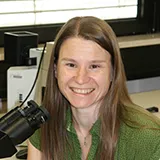
Doris E. Braun is an Associate Professor at the University of Innsbruck, where she works at the Institute of Pharmacy, specializing in pharmaceutical preformulation and crystal engineering. Her research focuses on the solid-state properties of pharmaceutical compounds, including polymorphism, hydrates, and cocrystals, as well as the design of stable crystal forms to improve drug quality, manufacturability, and performance. Braun studied pharmacy at the University of Innsbruck and completed her doctorate in 2008 in the group of Prof. Griesser. She then joined University College London as a postdoctoral researcher under Prof. Sally L. Price, where she specialized in computational crystal structure prediction. In 2019, she completed her habilitation with work on computational and experimental strategies for characterizing pharmaceutical solid-state forms. She currently also leads the Christian Doppler Laboratory for Innovative Crystal Engineering Strategies in Drug Development, a university-industry collaboration focused on understanding the interplay between molecular features and supramolecular properties that influence the chemical and physical stability, processability, and efficacy of drugs.

Aurora J. Cruz-Cabeza was born in Jaén, one of the most beautiful cities in Spain. She was fascinated by the world from an early age with a particular love for stars and music. She bought her first guitar at the age of 11 and her first telescope at the age of 15. Aurora wanted to study astrophysics but was unable to do so due to practical limitations. As such, she decided to move her passion for the big for a passion for the small and studied Physical Chemistry instead. She completed two BSc simultaneously, one in Physical Chemistry and a second one in Music, with classical guitar as instrument. After earning a Master’s in heterogeneous catalysis, she moved to the University of Cambridge (UK) where she earned a PhD in the study of molecular crystals. At Cambridge, Aurora was the guitarist and second lead voice in a band called “Los Elementos” -all its members being chemists- and they played in numerous May Balls around Cambridge through the years as well as in events in the Chemistry Department. In the following eight years, Aurora took several scientific jobs in the UK, the Netherlands and Switzerland and was presented with the greatest scientific challenge of it all: being a mum whilst trying to follow an academic career and continue to play music. Aurora then moved to Manchester where she started her independent academic career in Chemical Engineering. In 2022, she moved to Durham as a Professor of Materials Chemistry. Aurora’s office is decorated with a nice collection of guitars and ukuleles and is always opened to her students and colleagues. She has won numerous prizes and published many interesting scientific papers. She is indebted to the wonderful people she has had the pleasure to work with during her career, her amazing friends, and a supportive family.
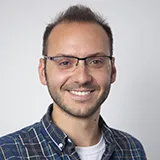
Adam is an Associate Professor of Physical Chemistry in the School of Chemistry, University of Birmingham, UK. Following PhDs at the University of Edinburgh and Novosibirsk State University, Adam moved to the German Federal Institute for Materials Research and Testing (BAM), first as a postdoctoral researcher then as a senior staff scientist. Throughout his career, Adam's research has focused on developing a mechanistic understanding of how mechanical force can drive physico-chemical transformations in solid-state materials. His team leverages synergies of advanced computational and experimental techniques (often using large-scale synchrotron and neutron facilities), and has particular focus on studying dynamical phenomena in mechanically strained materials. Adam’s research has been recognised with numerous international awards, including the 2022 ISIS Neutron and Muon impact award and the 2025 BTM Willis Prize, awarded jointly by the Institute of Physics and the Royal Society of Chemistry.
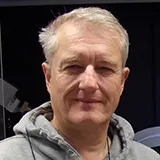
Robert Dinnebier is professor of crystallography and group leader at the Max Planck Institute for Solid State Research, Stuttgart, Germany. His research focuses on development and application of powder diffraction methods. He published more than 600 papers in the field of powder diffraction (h-index 70, i10-index 297) and won several prizes for his work, including the prestigious EPDIC distinguished powder diffractionist award.
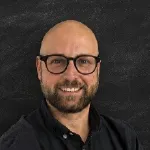
Paolo P. Mazzeo is Associate Professor of Chemistry at the University of Parma, Italy. His research focuses on mechanochemistry, powder X-ray diffraction (PXRD), and crystal engineering, with particular emphasis on the structural characterization of mechanochemical reactions through Time-Resolved In Situ (TRIS) PXRD. His work combines advanced diffraction techniques with crystal engineering to investigate reaction mechanisms, phase evolution, and structure–property relationships in molecular crystalline materials. His research also encompasses the design and characterization of cocrystals, metal–organic frameworks (MOFs), and crystalline sponge systems for host–guest chemistry and sustainable materials. He received his PhD in Chemical Sciences from the University of Bologna in 2014. Before joining the University of Parma, he worked as a Crystallographer and Materials Scientist at Excelsus Structural Solutions (Switzerland), based at the Swiss Light Source – Paul Scherrer Institute, specializing in PXRD data analyses.
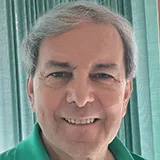
Paolo Scardi is Full Professor of Materials Science and Technology at the University of Trento, where he has been a faculty member since 1986. He leads the Energy and Materials Laboratory (https://energymaterials.unitn.it/) at DICAM, working at the intersection of materials characterization and energy applications. His research has made major contributions to X-ray powder diffraction, line-profile analysis, crystallography, and the study of nanostructured materials and microstructure. In recent years, his work has increasingly focused on atomistic modelling and on sustainable materials and nanomaterials for renewable energy harvesting and conversion. He is the author of more than 350 peer-reviewed publications. His contributions to powder diffraction have received international recognition, including the Hanawalt Award in 2016 and the 2024 Award for Distinguished Powder Diffractionists. Publications are listed on his Google Scholar profile (https://scholar.google.it/citations?user=bi0WsOsAAAAJ&hl=en)
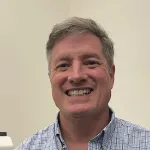
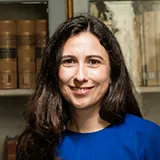
With a 5-year degree in Chemical Engineering (2004), a MSc in Chemical Engineering–Applied Chemistry (2007), and a European PhD in Chemistry (2011), Vânia André is currently an assistant researcher at Centro de Química Estrutural, Institute of Molecular Sciences, Instituto Superior Técnico, and IST-ID, with very specific areas of expertise: Crystal Engineering, Supramolecular Chemistry, Mechanochemistry and Crystallography. Over the last twenty years, she focused on applying Crystal Engineering and Supramolecular Chemistry towards improving crystal forms of active pharmaceutical ingredients, with an emphasis on mechanochemistry as the primary synthetic method. Currently she is also developing bio-inspired metal-organic frameworks and antibiotic coordination frameworks (ACFs) for enhanced antimicrobial activity. She is involved in the design, synthesis and characterization of the novel compounds and always keeps in mind the application in pharmaceutical industry. From all this, Vânia published over 120 papers in international journal with peer review and was involved in 2 patents.

Deborah Crawford is an Assistant Professor in Sustainable Materials and Manufacturing. As an Early Career Researcher, Deborah has published > 20 peer-reviewed research papers in scientific journals focusing on the use of twin-screw extrusion to carry out scaled up mechanochemical synthesis. Deborah is an enthusiastic researcher in the area of green, sustainable chemistry whose research has been highlighted by IUPAC as one of the top ten innovations that changed the world and in magazine publications such as Chemistry World and Chemical & Engineering News (cen). In her advocacy for the implementation of green principles and processes in chemical synthesis and manufacturing, Deborah has engaged and worked with several industrial collaborators, including Johnson Matthey.
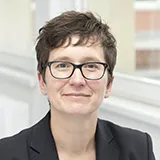
Prof. Franziska Emmerling is Head of the Department of Materials Chemistry at the Federal Institute for Materials Research and Testing (BAM) in Berlin, Germany. She teaches at the Department of Chemistry of Humboldt-Universität zu Berlin and is a professor of inorganic and general chemistry. Her research centers on mechanochemistry, crystal engineering, and the design, synthesis, and characterization of advanced functional materials, with a particular emphasis on sustainable approaches and applications in green energy and catalysis. She has made important contributions to the development of mechanochemical synthesis as a versatile route to new materials, including MOFs, COFs, and cocrystals. Her work also draws extensively on synchrotron-based X-ray techniques, such as diffraction and spectroscopy, to investigate materials and monitor structural transformations in situ. Prof. Emmerling is an internationally recognized expert in her field and has supervised numerous doctoral, master’s, and bachelor’s students.

Ivan Halasz is a senior scientist and head of laboratory at the Ruđer Bošković Institute in Zagreb, where he has worked since 2012. He holds a PhD from the University of Zagreb (2008) and completed postdoctoral specialization in powder diffraction at the Max Planck Institute in Stuttgart. His research focuses on solid-state chemistry, with particular expertise in mechanochemical reactions, powder X-ray diffraction, and Raman spectroscopy. He has authored over 120 scientific papers and three book chapters, and regularly delivers plenary and invited lectures at international conferences and schools. A committed educator, Ivan has supervised three doctoral dissertations, mentored numerous diploma theses, and teaches a graduate course at the University of Zagreb. He also co-authored two high school chemistry textbooks. In 2015, he received the Croatian State Annual Award in Natural Sciences, one of the country's most distinguished scientific honors. Since 2024, he has been an associate member of the Croatian Academy of Sciences and Arts.
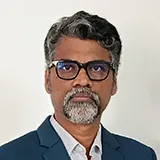
Rajadurai Chandrasekar (Chandra) is a Professor of Chemistry at the University of Hyderabad, India. He has made significant original contributions to the field of single crystal based organic photonic integrated circuits. He initiated two new research fields namely, (i) Mechanophotonics—a domain that develops and exploits mechanical micromanipulation of single crystal photonic modules towards photonic circuits, and (ii) Crystal photonic foundry—a novel approach involving focused ion beam milling of organic single crystals to produce various organic single crystal photonic modules. He is a Fellow of the Indian Academy of Sciences, the National Academy of Sciences, India, the Optical Society of India, and the Royal Society of Chemistry. Chandrasekar has published over 140+ peer-reviewed papers and 5 patents in the area of materials chemistry and physics, particularly on the nanophotonic properties of molecular solids. He is on the editorial advisory board of various materials chemistry and science journals. Recently, he published a book entitled “Mechanophotonics for Organic Photonic Integrated Circuits” for IOP Publishing, London.
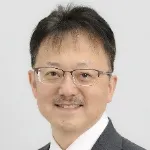
Hajime Ito received his B.Sc. (1991) and Ph.D. (1996) from Kyoto University under the supervision of Yoshihiko Ito. He began his academic career as an Assistant Professor at University of Tsukuba, followed by positions at the Institute for Molecular Science and as a Visiting Researcher at Scripps Research Institute with Kim D. Janda. He joined Hokkaido University in 2002, became Full Professor in 2010, and is currently Distinguished Professor and Vice Director of the Institute for Chemical Reaction Design and Discovery. His research focuses on copper(I)-catalyzed borylation and silylation, enantioconvergent transformations, and mechanochemical organic synthesis, including mechanochromic molecular probes. He has led major programs such as JST CREST and founded MechanoCross Co., Ltd.. His awards include the Chemical Society of Japan Award for Creative Work (2014) and the Chemical Society of Japan Award (2025).
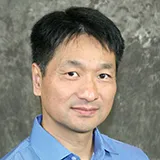
Dr. Sun is Donald and Susan Barrick Professor in the Department of Industrial and Molecular Pharmaceutics, Purdue University. Dr. Sun’s research focuses on formulation development of tablet products through appropriate application of materials science and engineering principles. Two areas of current research are 1) crystal and particle engineering for superior pharmaceutical properties and 2) fundamental understanding of pharmaceutical processes. Dr. Sun currently serves on the editorial boards of CrystEngComm and Frontiers in Chemistry. He also serves on the editorial advisory boards of Int. J. Pharm., J. Pharm. Sci., Mol. Pharmaceutics, AAPS Open, and Pharm. Res. Dr. Sun is a Fellow of the American Association of Pharmaceutical Scientists (AAPS), the Royal Society of Chemistry (RSC), and the American Association for the Advancement of Science (AAAS). He received the 2019 Ralph Shangraw Memorial Award from the International Pharmaceutical Excipient Council (IPEC), the 2022 David J. W. Grant NIPTE Distinguished Scholar Award in Basic Pharmaceutics, and the 2025 AIChE PD2M Technical Innovation Award.
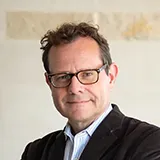
Dr. James Batteas is a Regents Professor and D. Wayne Goodman Professor of Chemistry and a Professor of Materials Science and Engineering at Texas A&M University, where he has been a faculty member since 2005. He is an expert in materials chemistry of surfaces and interfaces, with research targeting challenges in energy efficiency, advanced electronics, nanotechnology, tribology, and sustainable chemical manufacturing. His work in tribology focuses on the bridge between chemistry and mechanics, where his lab conducts detailed studies of the atomic scale origins of friction and how to control it. He recently extended this work into fundamental studies of mechanochemistry (the use of mechanical force to drive chemical reactions) and he directs the National Science Foundation Center for the Mechanical Control of Chemistry. In 2012 he was elected a Fellow of the Royal Society of Chemistry (RSC). He has served as the Chair of the American Chemical Society’s Division of Colloid and Surface Chemistry (2021-2022) and is presently the Co-Editor-in-Chief of RSC Mechanochemistry.
| When | What | Who | Where |
|---|---|---|---|
| 08:30–09:00 | Lecture Introduction | San Domenico main lecture hall | |
| 09:00–09:45 | Lecture Symmetry elements, crystallographic planes and directions | Leopoldo Suescun | San Domenico main lecture hall |
| 09:45–10:30 | Lecture Crystal morphology, surface descriptors and growth facets | Leopoldo Suescun | |
| 11:00–11:45 | Lecture Mechanical response of crystalline materials. Mechanisms of deformation and fracture | Ramamurty Upadrasta | San Domenico main lecture hall |
| 11:45–12:30 | Lecture Relationship between symmetry and macroscopic properties ( i.e piezoelectricity) | S. Guerin | San Domenico main lecture hall |
| 12:30–14:30 | Break Lunch | ||
| 14:30–15:15 | Lecture Principles of X-ray diffraction, direct lattice and reciprocal lattice | Louise Dawe | San Domenico main lecture hall |
| 15:15–16:00 | Lecture SCXRD. Structure solution in the presence of disorder and twinning | Louise Dawe | San Domenico main lecture hall |
| 16:00–16:30 | Break Coffee | ||
| 16:30–17:15 | Lecture Strategies for solving difficult structures | Louise Dawe | San Domenico main lecture hall |
| 17:15–18:00 | Lecture Nature of intermolecular interactions and their role in crystal packing and crystal properties | Doris Braun | San Domenico main lecture hall |
| 18:00–18:30 | Lecture Workshop Intro | San Domenico main lecture hall | |
| 18:30–19:00 | Lecture Intro to Erice | San Domenico main lecture hall |
| When | What | Who | Where |
|---|---|---|---|
| 09:00–09:45 | Lecture Basic concepts of nucleation and crystal growth factors influencing crystal formation | A. Cabeza | San Domenico main lecture hall |
| 09:45–10:30 | Lecture Comparison between crystallization and mechanical processing implications for crystal formation and transformation | A. Cabeza | San Domenico main lecture hall |
| 10:30–11:00 | Break Coffee | ||
| 11:00–11:45 | Lecture Introduction to phonons and vibrational modes in crystals. Relationship between lattice dynamics and crystal properties | A. Michalchuk | San Domenico main lecture hall |
| 11:45–12:30 | Lecture Role of lattice vibrations in mechanochemical processes. Energy transfer and activation in mechanically induced reactions | A. Michalchuk | San Domenico main lecture hall |
| 12:30–14:30 | Break Lunch | ||
| 14:30–15:15 | workshop CCDC- energy- slip plane | Feynman lecture hall | |
| 15:15–16:00 | workshop Crystal Explorer | Feynman lecture hall | |
| 16:00–16:30 | Break Coffee | ||
| 16:30–17:15 | workshop CCDC- energy- slip plane | Feynman lecture hall | |
| 17:15–18:00 | workshop Crystal Explorer | Feynman lecture hall | |
| 18:00–22:00 | Poster Poster Session Odd Numbers | San Francesco courtyard |
| When | What | Who | Where |
|---|---|---|---|
| 09:00–09:45 | Lecture PXRD. Phase identification from powder diffraction data | Paolo Pio Mazzeo | San Domenico main lecture hall |
| 09:45–10:30 | Lecture Principles of Rietveld refinement structural analysis from powder diffraction data | Robert Dinnebier | San Domenico main lecture hall |
| 10:30–11:00 | Break Coffee | ||
| 11:00–11:45 | Lecture Determination of phase composition from powder diffraction patterns and methods for quantitative phase analysis | Robert Dinnebier | San Domenico main lecture hall |
| 11:45–12:30 | Lecture Determination of crystallite size, strain, and defects. Principles of ‘whole powder pattern modelling’ (WPPM) | Paolo Scardi | San Domenico main lecture hall |
| 12:30–14:30 | Break Lunch | ||
| 14:30–15:15 | workshop CCDC- energy- slip plane | Feynman lecture hall | |
| 15:15–16:00 | workshop Crystal Explorer | Feynman lecture hall | |
| 16:00–16:30 | Break Coffee | ||
| 16:30–17:15 | workshop CCDC- energy- slip plane | Feynman lecture hall | |
| 17:15–18:00 | workshop Crystal Explorer | Feynman lecture hall |
| When | What | Who | Where |
|---|---|---|---|
| 09:00–09:45 | Lecture Basic mechanical concepts: stress, strain, Young’s modulus, elastic and plastic deformation in crystalline materials | Ramamurty Upadrasta | San Domenico main lecture hall |
| 09:45–10:30 | Lecture Mechanical actuation and deformation in crystals and physical responses induced by mechanical stress | S. Guerin | San Domenico main lecture hall |
| 10:30–11:00 | Break Coffee | ||
| 11:00–11:45 | Lecture Mechanical force as a trigger for chemical transformations | C. Bardeen | San Domenico main lecture hall |
| 11:45–12:30 | Lecture Crystals as sources of mechanical motion and work | C. Bardeen | San Domenico main lecture hall |
| 12:30–22:00 | Excursion Excursion |
| When | What | Who | Where |
|---|---|---|---|
| 09:00–09:45 | Lecture Neat grinding (NG) and liquid-assisted grinding (LAG), Ageing processes and reactions in the solid state | Vânia André | San Domenico main lecture hall |
| 09:45–10:30 | Lecture Mortar grinding, ball milling, planetary milling, twin-screw extrusion (TSE) and resonant acoustic mixing (RAM) and comparison of mechanochemical methods | D. Crafword | San Domenico main lecture hall |
| 10:30–11:00 | Break Coffee | ||
| 11:00–11:45 | Lecture Ex situ charcterization ( DSC and TGA spectroscopy) | Doris Braun | San Domenico main lecture hall |
| 11:45–12:30 | Lecture Key parameters in mechanochemical experiments, best practices for reporting and reproducibility | Franziska Emmerling | San Domenico main lecture hall |
| 12:30–14:30 | Break Lunch | ||
| 14:30–16:00 | workshop XRPD- Quantification group 1 | Feynman lecture hall | |
| 16:00–16:30 | Break Coffee | ||
| 16:30–18:00 | workshop XRPD- Quantification group 2 | ||
| 18:00–22:00 | Poster Poster Session Even Numbers | San Francesco courtyard |
| When | What | Who | Where |
|---|---|---|---|
| 09:00–09:45 | Lecture Concepts and definitions of in-situ and real-time measurements. Monitoring mechanochemical processes during reaction by synchrotron radiation | Franziska Emmerling | San Domenico main lecture hall |
| 09:45–10:30 | Lecture Principles of Raman spectroscopy applied to mechanochemistry, applications for monitoring solid-state reactions | Ivan Halasz | San Domenico main lecture hall |
| 10:30–11:00 | Break Coffee | ||
| 11:00–11:45 | Lecture Fundamentals of THz spectroscopy and applications to molecular crystals and mechanochemistry | Ivan Halasz | San Domenico main lecture hall |
| 11:45–12:30 | Lecture Principles of MicroED for structure determination and applications to micro- and nanocrystalline materials | San Domenico main lecture hall | |
| 12:30–14:30 | Break Lunch | ||
| 14:30–16:00 | workshop Case studies and discussion: characterization | ||
| 16:00–16:30 | Break Coffee | ||
| 16:30–18:00 | workshop Case studies and discussion: characterization |
| When | What | Who | Where |
|---|---|---|---|
| 09:00–09:45 | Lecture Interaction between mechanical stimuli and photonic properties. Mechanically induced optical responses in materials | Chandrasekar Rajadurai | San Domenico main lecture hall |
| 09:45–10:30 | Lecture Friction, wear, and energy dissipation in materials. Tribochemical processes at interfaces | James Batteas | San Domenico main lecture hall |
| 10:30–11:00 | Break Coffee | ||
| 11:00–11:45 | Lecture Photo-, piezo-, electro-, and thermally assisted mechanochemistry. Coupling between different external stimuli and mechanical activation | H. Ito | San Domenico main lecture hall |
| 11:45–12:30 | Lecture Linking crystal structure and mechanical properties for industrial application | Changquan Calvin Sun | San Domenico main lecture hall |
| 12:30–14:30 | Break Lunch | ||
| 14:30–15:15 | Lecture Challenges in scaling mechanochemical processes. Mechanochemistry as a sustainable approach to chemical synthesis | D. Crafword | San Domenico main lecture hall |
| 15:15–16:00 | Lecture Conclusions (Directors) | ||
| 16:00–16:30 | Break Coffee | ||
| 16:30–18:00 | Lecture Outlook, Prizes and Conclusions |
Sponsors to be announced.
Sponsors to be announced.
Sponsors to be announced.
Applications for the 2027 course will open on September 2, 2026. Please check back then!